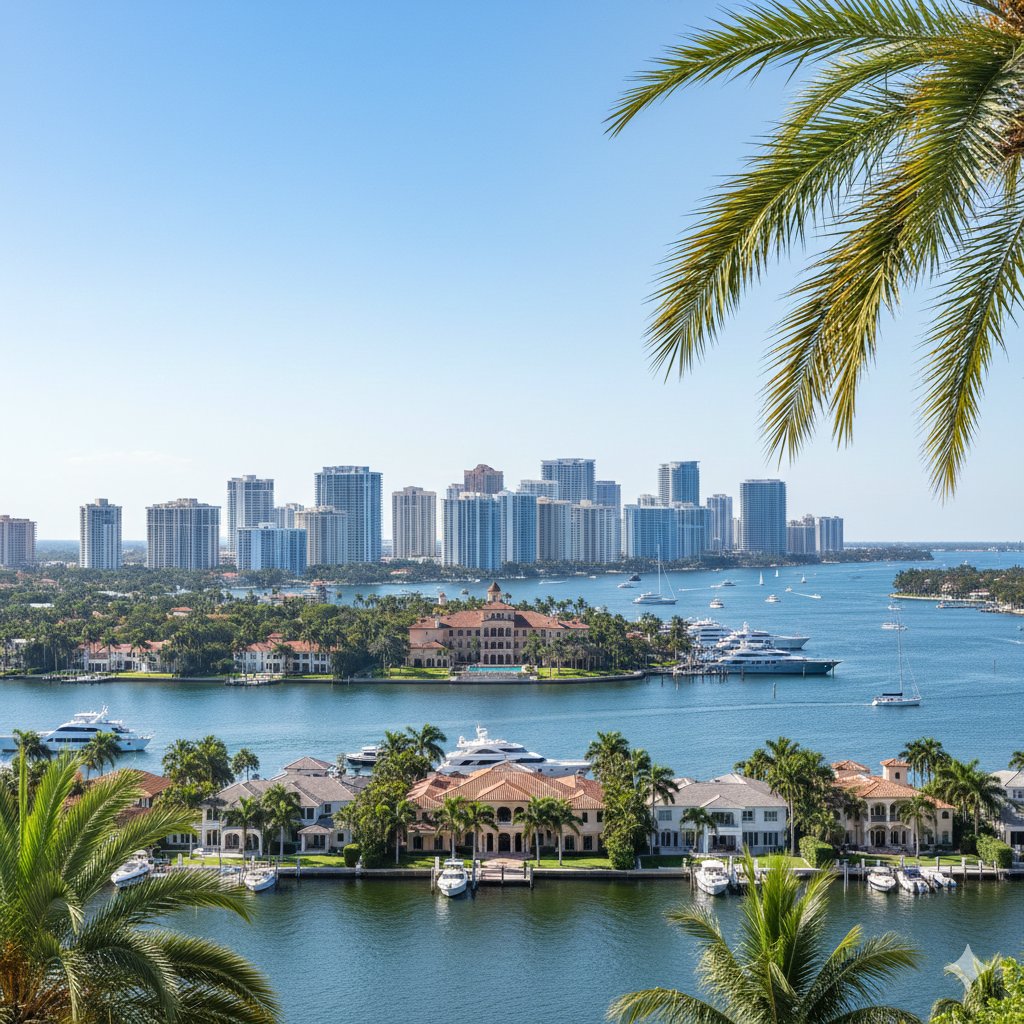
Best Time of Year to Buy a Home in West Palm Beach
Timing a home purchase in West Palm Beach isn’t about guessing the market or waiting for headlines to change—it’s about understanding leverage. In a city shaped by seasonal residents, second-home buyers, waterfront demand, and lifestyle-driven relocations, when you buy can significantly influence price, negotiating power, and long-term upside.
The best time of year to buy a home in West Palm Beach depends less on the calendar and more on your priorities. Winter brings unmatched selection but fierce competition. Spring introduces inventory alongside rising prices. Summer and early fall quietly reward buyers who value negotiation leverage and flexibility.
Why “Timing” Matters More in West Palm Beach Than Most Cities
West Palm Beach is not a flat, year-round housing market. Seasonality here directly affects leverage. Demand surges and cools based on who is in town, lifestyle patterns, and second-home activity.
Winter months bring emotionally motivated buyers with limited timelines. Sellers know this—and price accordingly. In contrast, summer months thin out buyer pools, extend days on market, and increase seller flexibility.
Key insight: Timing doesn’t create discounts—motivation does. The calendar simply changes who has leverage.
West Palm Beach Market Seasons Explained
High Season (November–April)
- Peak demand from seasonal and second-home buyers
- Strong lifestyle-driven purchasing
- Highest competition and firmest pricing
Shoulder Season (May–June)
- Inventory remains strong
- Competition begins to soften
- Sellers more open to terms-based concessions
Off-Season (July–September)
- Fewer active buyers
- Longer days on market
- Greater leverage for prepared buyers
Fall Reset (October)
- Sellers reposition before winter demand
- Muted competition
- Often an under-the-radar sweet spot
The Best Month to Buy, Depending on Your Goal
If You Want the Best Deal Terms
Late summer through early fall often brings closing credits, repair concessions, and flexible timelines. These months favor buyers focused on value and structure.
If You Want the Best Selection
Late winter and early spring deliver more listings and higher-quality inventory, but pricing pressure increases due to demand.
If You Want the Best Chance of Winning
Buying just before demand peaks—early November or late January—can reduce competition while maintaining inventory depth.
A Buyer’s Negotiation Playbook by Season
High Season Strategy
- Strong earnest money
- Clean timelines
- Reliable lender or proof of funds
Off-Season Strategy
- Target stale or repriced listings
- Negotiate credits over price cuts
- Use inspections strategically
Fall Strategy
- Focus on sellers motivated by year-end planning
- Structure offers around certainty
West Palm Beach Micro-Markets That Change the “Best Time”
Waterfront Homes
Waterfront purchases involve additional diligence—insurance, seawalls, docks—and are best negotiated when competition is lighter.
Condos vs Single-Family Homes
Condos introduce HOA and assessment risk, while single-family homes move faster but can be more emotional.
New Construction vs Resale
Builders often negotiate hardest near quarter-end, offering incentives that outperform price cuts.
The “Real” Calendar: What Smart Buyers Watch Besides Months
- Days on Market (DOM)
- Sale-to-List Ratio
- Inventory Trends
- Percentage of Homes Selling Under Asking
Price indexes lag. Negotiation behavior is real-time.
Timing by Buyer Persona
CEO / Business Owner
Certainty and execution matter more than season.
Investor / Hedge-Fund-Minded Buyer
Off-season leverage and seller motivation drive returns.
Young Families
School calendars matter—offset competition with negotiation strategy.
Waterfront Lifestyle Buyers
Scarcity outweighs seasonality; diligence is critical.
Step-by-Step: How to Time Your Purchase in the Next 60–120 Days
Weeks 1–2: Define Your Line
Clarify non-negotiables and acceptable trade-offs.
Weeks 2–4: Track the Market Weekly
- New listings vs price cuts
- Median days on market
- Inventory movement
Weeks 4–8: Build a Target List
Motivation shows up through multiple price reductions, extended DOM, and back-on-market listings.
Offer Week: Structure for Certainty
- Strong deposits
- Clean contingencies
- Fast execution
Common Timing Mistakes in West Palm Beach
- Buying only during peak hype
- Confusing more listings with better deals
- Ignoring insurance and HOA risks
- Waiting for a “crash” instead of negotiating smarter
The most expensive mistake isn’t timing—it’s weak execution.
Frequently Asked Questions
What is the best time of year to buy a home in West Palm Beach?
It depends on whether you prioritize leverage, selection, or certainty. Late summer and early fall often favor negotiation-focused buyers.
Is summer a good time to buy in West Palm Beach?
Yes. Off-season buying often unlocks better terms, though inventory may be smaller.
Does timing differ for waterfront homes?
Yes. Lighter competition allows for deeper diligence and stronger negotiation.
Conclusion: Timing West Palm Beach the Smart Way
The best time of year to buy a home in West Palm Beach isn’t about predicting the market—it’s about understanding leverage. Winter brings selection. Summer brings negotiating power. Fall offers balance.
Affluent buyers don’t chase timing myths. They watch signals, understand micro-markets, and move decisively when conditions align with their goals.
Join the Conversation
Are you prioritizing leverage, selection, or long-term upside in West Palm Beach?
If this guide helped you, share it with someone actively buying or relocating—and start a smarter conversation about timing.
References
- Palm Beach County Market Seasonality Reports
- Florida Real Estate Trend Analysis
- National Housing Market Buyer Leverage Studies
