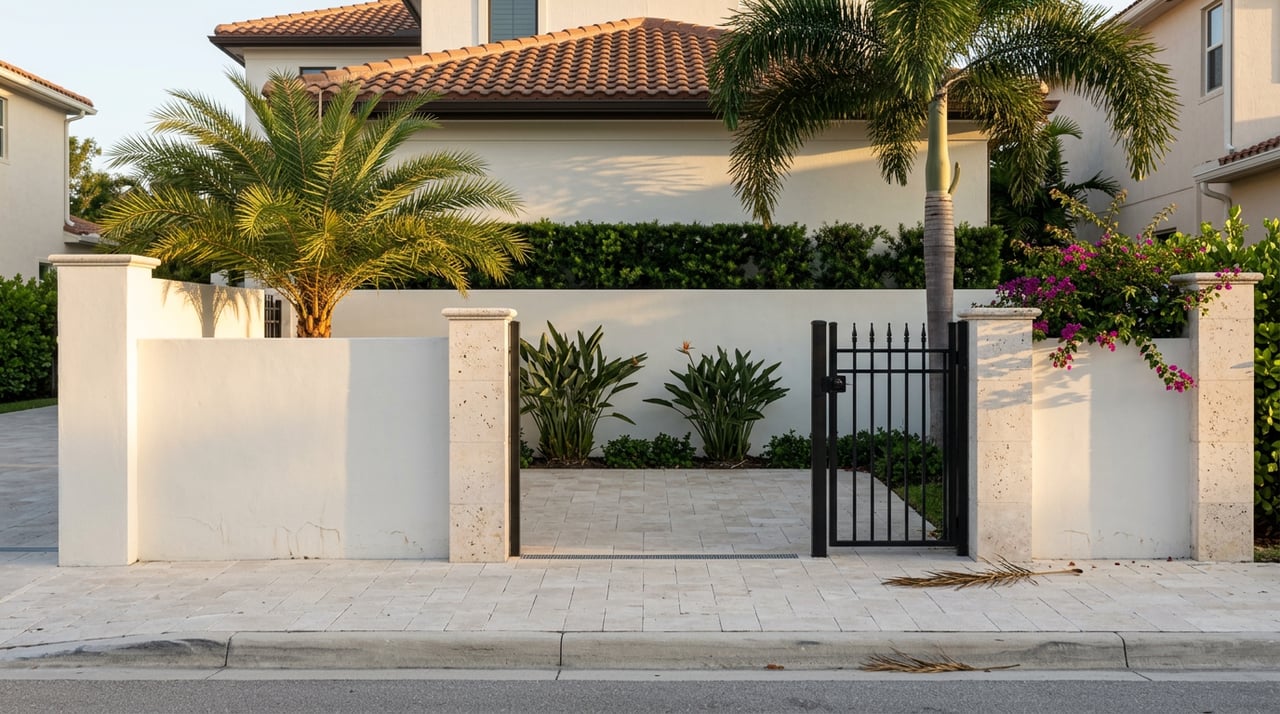
Thinking about life behind the gates in Boca Raton? The options range from golf-centric master communities to ultra-private waterfront enclaves, each with its own rules, fees and lifestyle. Choosing the right fit can feel complex when you factor in memberships, HOA budgets, insurance and location. In this guide, you’ll get a clear framework to compare communities, understand costs and risks, and plan smart next steps. Let’s dive in.
Know your community types
Country-club master communities
These are large, amenity-rich neighborhoods where a private club sits alongside a master HOA. Think multiple golf courses, racquet complexes, dining, fitness, spa and social programming. At places like Boca West, you’ll find four championship courses and a robust club scene that anchors daily life. You can preview the golf footprint in Boca West’s overview of its four championship courses.
Waterfront and yacht enclaves
On the east side near the Intracoastal, smaller gated pockets focus on boating access and privacy. Royal Palm Yacht & Country Club is the classic example, with estate lots, private docks and a private invitation-style club. To understand the marina and club experience, review Royal Palm Yacht & Country Club’s membership information.
Guard-gated subdivisions
Across Boca Raton you’ll find deed-restricted, guard-gated neighborhoods without a mandatory club buy-in. Amenities vary from simple gate-and-landscaping setups to full fitness and pool offerings. These can be a better fit if you want the security and structure of a gated setting without the depth of club obligations.
Gated condo and townhouse complexes
If you want lock-and-leave living, gated condo and townhome communities package maintenance and many building systems into monthly dues. Fees are higher per unit than many single-family HOAs and vary with building age and amenity level. This path works well if you value convenience and predictable upkeep inside a secure setting.
East vs. west: location trade-offs
East Boca offers proximity to the Intracoastal and ocean access with a premium for waterfront land. You should also plan for coastal wind exposure and flood considerations that can affect insurance. Clubs and enclaves like Royal Palm sit closer to the water, which influences pricing and policy terms; review Royal Palm’s club context and keep insurance in mind.
Farther west, large master-planned club communities provide broad amenity sets and easier access to I-95 and the Turnpike. These areas are not oceanfront, which often translates into different insurance profiles and price-per-foot dynamics. If you drive frequently to hospitals, retail or schools, the west corridor can reduce commute time.
What amenities really include
Golf, racquets and resort life
In club communities, expect golf courses, practice complexes, tennis and fast-growing pickleball options. Boca West highlights a large golf and activities center across its four-course layout. Many clubs also organize leagues, clinics and social play for all skill levels.
Clubhouses, dining and wellness
Multiple dining venues, spa and fitness centers, and resort-style pools are common. Some neighborhoods outline these offerings publicly; for example, you can scan Woodfield’s HOA site to see how amenities and governance work together.
Marina and boating services
Waterfront enclaves may include docks, marina services and boating concierge. If boating is central to your lifestyle, confirm slip availability, canal depth and bridge clearance, and review Royal Palm’s club overview for a feel of what top-end yacht communities provide.
Membership models and how they work
Member-owned vs. third-party operated
Many established country-club communities are member-owned corporations with boards elected by members. This structure can require an equity purchase or capital contribution when you buy a home. To see a member-owned example with a deep golf program, review Boca West’s club resources.
Mandatory vs. optional membership
Some properties are sold with mandatory club membership that conveys with the deed, while other gated neighborhoods offer optional social or sports memberships. If membership is required, you may face board approval, transfer rules and category limits. Always confirm whether the membership is deeded, transferable or refundable, and if a waitlist exists for golf or other categories.
Budget planning: what to include
Buying in a gated or club community involves more than the purchase price. Build a complete budget that covers:
- One-time club equity or initiation fee if applicable. In Boca Raton, listings commonly show equity or initiation from roughly tens of thousands into six figures depending on the club and membership type. Always verify current numbers directly with the club.
- Recurring HOA or condo dues plus separate club dues. HOA/COA assessments can range from a few hundred dollars per month to multiple thousands based on unit type, building age and services.
- Property taxes, including how Florida’s homestead rules and assessed values could impact your bill. Use the Palm Beach County site to review tax basics at the Palm Beach County Tax Collector.
- Insurance for property, wind and possibly flood. Premiums and deductibles change by location, replacement cost and carrier; verify insurability before you remove contingencies.
For orientation at the high end, Boca Raton’s waterfront estates can trade well into eight figures. A recent record transaction in Royal Palm Yacht & Country Club illustrates the upper tier, as reported by the Wall Street Journal. Use this as a signal of market ceiling rather than a typical sale.
Legal and governance: what protects you
Florida association framework
Florida law governs homeowners’ associations, condominiums and cooperatives. Chapter 720 of the Florida Statutes outlines key HOA powers, member rights and reporting requirements. You can review a statutory excerpt at the Florida Senate’s Chapter 720 page and a compiled overview at Syfert’s Chapter 720 resource.
Documents to request early
During your contingency period, ask for and review at least:
- Declaration/CC&Rs, bylaws and rules
- Current year budget and year-to-date financials
- Most recent reserve study
- Board meeting minutes for the last 12 to 24 months
- Master insurance declarations, including wind and hurricane deductibles
- Estoppel or resale certificate with transfer fees, balances due and pending assessments
- Litigation disclosures and any major vendor or management contracts
These materials help you judge financial health, rule fit and upcoming capital needs.
Red flags in the numbers
Watch for low or zero reserves, repeated special assessments, high delinquency rates or ongoing litigation. These are common deal-breakers in club and gated purchases. Florida statutes set reporting thresholds and member remedies; the Chapter 720 overview is a useful starting point for your attorney.
Roads, gates and maintenance
Private roads, drainage and gate systems are often maintained by the association under recorded maintenance agreements. Confirm who pays for what, the status of reserves for these systems and any municipal requirements for private-street access. As a reference point, municipalities document private-street standards in maintenance agreements similar to those found in this city maintenance guidance.
Insurance, flood and risk
Flood zones and wind exposure shape insurability and total cost of ownership, especially near the coast. Use FEMA’s Flood Map Service Center to check a property’s zone and request an elevation certificate when applicable. Start with FEMA’s Flood Map Service Center and speak with a local broker about wind and flood coverage before you waive contingencies.
A simple decision framework
Choosing the right gated community comes down to three fits:
- Lifestyle fit. Do you want daily golf and organized racquets, a marina lifestyle, or a quieter gated neighborhood with minimal amenities? Tour the facilities, sample dining, observe court and pool usage, and note the event calendar.
- Financial fit. Can you comfortably carry the one-time initiation or equity plus ongoing dues, taxes and insurance? Build a 12- to 36-month outlook that includes room for potential assessments.
- Governance fit. Do the rules align with how you plan to live and use the property? Review board minutes and reserve studies to gauge how the community plans, spends and communicates.
Due-diligence checklist you can use
Use this list during your inspection and document-review window:
- Estoppel or resale certificate with any balances due and all transfer fees
- Declaration/CC&Rs, bylaws and rules
- Current operating budget, year-to-date financials and most recent reserve study
- Board meeting minutes for the last 12–24 months
- Master insurance policy declarations, including wind and hurricane deductibles
- Delinquency report and any litigation disclosures
- Evidence of club membership transfer terms and current fee schedules
- Engineering or structural reports if you are considering older or low-lying buildings
- Flood zone confirmation and an elevation certificate where applicable via FEMA maps
How a local expert helps
An experienced local advisor can schedule formal club tours, gather estoppels and budgets early, and coordinate with lenders who scrutinize association finances. They can also introduce you to insurance brokers and, when appropriate, local association attorneys. When a community requires board approval, a strong agent will help you prepare a complete, clean package so timelines stay on track.
Ready to find your perfect fit behind the gates in Boca Raton? Reach out to The Madriz Team for a private consultation, curated tours and a clear plan from first visit to closing.
FAQs
What should I budget beyond the home price in a Boca Raton gated community?
- Plan for one-time club initiation or equity (if required), recurring HOA or condo dues, separate club dues, property taxes and insurance, plus a contingency for special assessments.
Are Boca Raton club memberships usually mandatory when I buy a home?
- Many country-club communities require membership tied to the property, while some gated neighborhoods offer optional memberships; always confirm deed requirements, transfer rules and waitlists with the club.
How do I check a community’s financial health before I buy in Boca Raton?
- Review the current budget, year-to-date financials, the most recent reserve study and 12–24 months of board minutes, and request the estoppel or resale certificate for fees and assessments.
What insurance issues should I consider near the Intracoastal in Boca Raton?
- Coastal wind exposure and flood zones influence premiums and deductibles, so verify insurability, check FEMA flood maps and obtain an elevation certificate if applicable before removing contingencies.
Who maintains private roads and security gates in Boca Raton’s gated neighborhoods?
- Associations typically maintain private roads, drainage and gate systems under recorded maintenance agreements, so confirm responsibilities and reserve funding during due diligence.
What amenities are common in Boca Raton country-club communities?
- Expect golf courses and practice areas, tennis and pickleball, clubhouses with dining, spa and fitness centers, resort-style pools and varied social programming that supports daily life.
