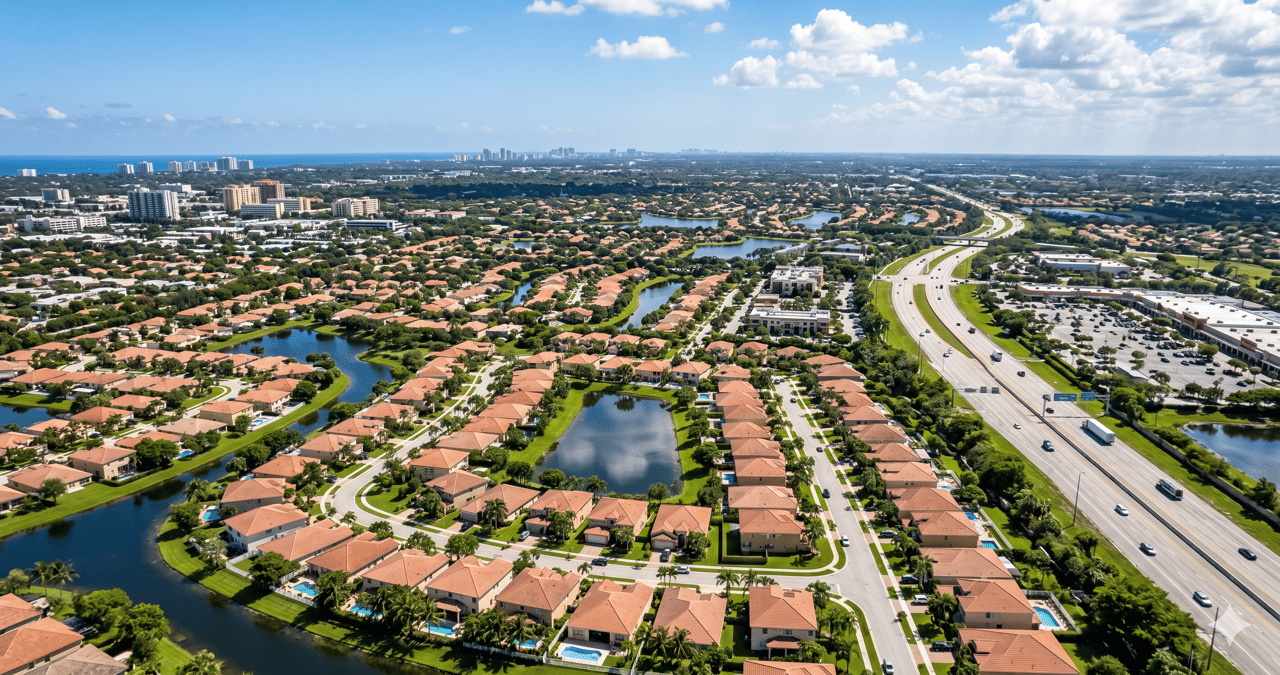
Coconut Creek Demographics & Community Vibes
Introduction
Coconut Creek has quietly become one of the most appealing residential communities in South Florida for buyers who want more than just sunshine and square footage. Known for its master-planned neighborhoods, lush green spaces, strong schools, and calmer suburban atmosphere, the city continues attracting move-up buyers, relocating families, and lifestyle-focused professionals searching for balance without disconnecting from the energy of South Florida.
While nearby cities lean more urban, crowded, and fast-paced, Coconut Creek offers something increasingly rare in Broward County: stability, livability, and long-term lifestyle value. Understanding Coconut Creek demographics and community vibes goes beyond census data. It’s about understanding who lives here, why buyers are relocating here, and how the city’s community design influences everyday living and real estate demand.
In this guide, we’ll explore population and income trends, community culture, schools, parks, housing trends, neighborhood atmosphere, and long-term real estate value potential.
What Is Coconut Creek Known For?
A Master-Planned Community With Long-Term Appeal
Coconut Creek has developed a reputation as one of the most balanced communities in Broward County. Unlike many South Florida cities that focus heavily on tourism, nightlife, or dense urban growth, Coconut Creek prioritizes livability.
The city is known for beautifully landscaped neighborhoods, extensive parks and waterways, family-oriented residential planning, eco-conscious development, and quiet suburban living with urban accessibility.
One of the city’s most recognizable identities is being called the “Butterfly Capital of the World.” That branding comes from the presence of Butterfly World, but it also reflects the city’s larger commitment to environmental planning and green space preservation.
Why Buyers Are Paying Attention
Many buyers searching for quiet suburbs in Broward County are now prioritizing communities that offer lower daily stress, better work-life balance, strong schools, and long-term property value stability. That’s exactly where Coconut Creek stands out.
Unlike high-density areas closer to the coast, Coconut Creek feels intentionally designed for long-term residential living rather than short-term tourism or investor turnover.
The city’s location also adds to its appeal. Residents can access Boca Raton, Fort Lauderdale, and major South Florida highways relatively quickly, while still returning home to a quieter environment at the end of the day.
Coconut Creek Demographics at a Glance
Population Growth and Stability
Current estimates place Coconut Creek’s population near 59,000 residents, with steady growth continuing throughout recent years.
According to demographic sources such as the U.S. Census Bureau and Data USA, Coconut Creek has a median age of approximately 41–42 years old, median household income around $75,000–$79,000, above-average educational attainment, and strong homeownership rates.
These numbers matter because they reflect a community driven by long-term residents rather than transient turnover.
A Market Built Around Stability
One of the biggest overlooked strengths of Coconut Creek is demographic consistency. Unlike some South Florida cities experiencing rapid speculative cycles, Coconut Creek attracts families planning to stay long term, professionals relocating permanently, retirees seeking stability, and move-up buyers prioritizing quality of life.
That creates stronger neighborhood identity and more resilient housing demand.
Why Demographics Matter to Buyers
For buyers researching Coconut Creek demographics, the numbers help explain why the city feels different compared to surrounding areas. Communities with higher owner-occupancy, stable income levels, educated populations, and long-term residents often experience stronger neighborhood maintenance, school involvement, housing resilience, and community engagement.
Diversity and Cultural Makeup
A Diverse and Evolving Community
Coconut Creek continues becoming more diverse, multicultural, and internationally connected. The city includes Hispanic and Latin American residents, Caribbean communities, Northeast and Midwest relocators, and international homeowners.
This diversity contributes to local restaurants, small businesses, community events, and cultural inclusiveness.
Unlike some suburban markets that feel disconnected or overly uniform, Coconut Creek maintains a welcoming atmosphere while still preserving a quieter residential vibe.
Community Without the Chaos
One unique aspect of Coconut Creek is how it balances diversity with calm suburban living. Residents often describe the city as peaceful, clean, organized, family-oriented, and easier to navigate than larger South Florida cities.
That balance is becoming increasingly attractive to buyers leaving denser urban environments.
Schools and Family Appeal
Why Families Continue Moving to Coconut Creek
For relocating families, schools remain one of the largest drivers behind housing demand. Coconut Creek benefits from strong public school options, nearby charter and private schools, family-centered neighborhoods, recreational programming, and parks.
Many buyers searching for family-friendly communities in South Florida are specifically looking for areas where education and neighborhood quality align together.
Schools Influence Real Estate Demand
Homes located near stronger school zones often maintain better resale demand, more stable appreciation, and higher long-term buyer interest.
That’s one reason Coconut Creek continues attracting move-up buyers who prioritize both lifestyle and future value.
Parks, Green Space, and Lifestyle
One of Broward County’s Greenest Communities
One of the defining aspects of living in Coconut Creek Florida is access to green space. The city includes walking and biking trails, community parks, lakes and waterways, landscaped residential corridors, and outdoor recreational spaces.
This creates a noticeably different atmosphere compared to more congested parts of South Florida.
Lifestyle-Focused Living
Today’s buyers increasingly prioritize wellness, outdoor access, lower stress environments, and work-life balance. Coconut Creek naturally aligns with those priorities.
That shift is especially important among remote professionals, hybrid workers, young families, and buyers leaving urban cores.
Real Estate and Housing Trends
Why Coconut Creek Real Estate Remains Attractive
The Coconut Creek housing market 2026 outlook remains relatively strong because demand continues being driven by lifestyle migration rather than short-term speculation.
Buyers are increasingly prioritizing larger homes, safer communities, green space, better neighborhood planning, and long-term residential value.
Housing Types Found in Coconut Creek
The market includes single-family homes, townhomes, gated communities, condominiums, 55+ communities, and luxury residential enclaves.
This variety allows the city to attract multiple buyer demographics simultaneously.
Long-Term Value Perspective
One unique insight often missed in competing articles is this: Coconut Creek benefits from “retention demand.”
Many people who move into the city stay for years. That long-term retention creates more stable neighborhoods, consistent housing demand, stronger community identity, and better resale resilience.
Coconut Creek vs Nearby South Florida Cities
A Different Type of South Florida Experience
Compared to nearby cities like Fort Lauderdale, Miami, Boca Raton, and Coral Springs, Coconut Creek delivers a slower, quieter, and more residential lifestyle.
Coconut Creek vs Fort Lauderdale
| Coconut Creek | Fort Lauderdale |
|---|---|
| Suburban and green | Urban and high-density |
| Family-oriented | Entertainment-focused |
| Lower daily congestion | Heavier traffic |
| Community-centered | Tourism-centered |
Coconut Creek vs Boca Raton
Boca Raton offers stronger luxury branding, but Coconut Creek often provides better value per square foot, lower pricing entry points, a more suburban atmosphere, and less congestion.
For many buyers, the lifestyle-to-price ratio becomes a major deciding factor.
Image & Infographic Concepts
Infographic #1 — Coconut Creek Demographic Snapshot
Description: A luxury-style infographic showing population growth, median age, household income, education levels, and homeownership percentages.
Alt text: Coconut Creek demographics infographic showing population growth, income levels, education, and homeowner trends in Coconut Creek Florida.
Infographic #2 — Coconut Creek Lifestyle Map
Description: A custom illustrated map highlighting parks, top neighborhoods, schools, shopping centers, commuter routes, and recreational areas.
Alt text: Lifestyle map of Coconut Creek Florida showing neighborhoods, schools, parks, and community amenities.
Infographic #3 — Coconut Creek vs Nearby Cities
Description: A comparison graphic between Coconut Creek, Boca Raton, Coral Springs, and Fort Lauderdale comparing community vibe, traffic, housing, lifestyle, and green space.
Alt text: Comparison infographic showing Coconut Creek versus Boca Raton, Coral Springs, and Fort Lauderdale for lifestyle and demographics.
Quick Takeaways
- Coconut Creek offers a quieter, master-planned alternative to busier South Florida cities.
- Strong schools and green spaces continue attracting relocating families.
- The city’s demographics reflect long-term residential stability.
- Lifestyle-driven migration is supporting housing demand.
- Professionals increasingly value Coconut Creek’s work-life balance.
- Homeownership rates and income levels strengthen long-term value potential.
- The community appeals to buyers seeking stability over fast-paced urban living.
Conclusion
Coconut Creek continues proving that buyers do not have to choose between lifestyle, convenience, and long-term value. The city’s demographics, community design, and residential atmosphere create a balance that is becoming harder to find across South Florida.
From strong schools and parks to stable neighborhoods and growing professional populations, Coconut Creek attracts buyers searching for sustainable lifestyle living rather than temporary trends.
What truly separates Coconut Creek from many surrounding markets is consistency. The neighborhoods feel established, the city feels intentional, and the overall atmosphere feels calmer than many competing South Florida communities.
For move-up buyers, relocating families, and professionals prioritizing quality of life, Coconut Creek offers one of the strongest lifestyle-to-value opportunities currently available in Broward County.
As more buyers continue shifting toward suburban communities focused on livability, wellness, and long-term stability, Coconut Creek is positioned well for continued residential demand and market resilience.
Thinking about relocating or buying in Coconut Creek?
Message Madriz Collective for local market insight, neighborhood guidance, private tour opportunities, off-market opportunities, and personalized relocation strategies tailored to your goals.
FAQs
Is Coconut Creek a good place to live?
Yes. Coconut Creek is widely considered one of the more balanced and family-friendly communities in Broward County because of its schools, parks, quieter atmosphere, and long-term residential appeal.
Why are people moving to Coconut Creek Florida?
Many buyers are relocating to Coconut Creek for better work-life balance, more space, strong schools, safer suburban living, and lower stress compared to denser South Florida cities.
Is Coconut Creek expensive?
Coconut Creek is generally more affordable than nearby luxury coastal markets like Boca Raton while still offering strong lifestyle amenities and residential quality.
What kind of people live in Coconut Creek?
The city attracts move-up buyers, families, professionals, retirees, remote workers, and long-term homeowners.
Is Coconut Creek a good long-term real estate investment?
Many buyers believe so because of stable demographics, strong housing demand, lifestyle-driven migration, long-term residential appeal, and limited suburban inventory across South Florida.
Join the Conversation
If you found this guide helpful, share it with someone thinking about relocating to South Florida or exploring quieter suburban communities in Broward County.
We’d also love to hear your perspective:
What matters most to you when choosing a community — schools, lifestyle, commute, green space, safety, or long-term value?
Drop your thoughts in the comments and share this article with friends or family researching South Florida neighborhoods.
For personalized guidance and local market insight, message Madriz Collective directly.
