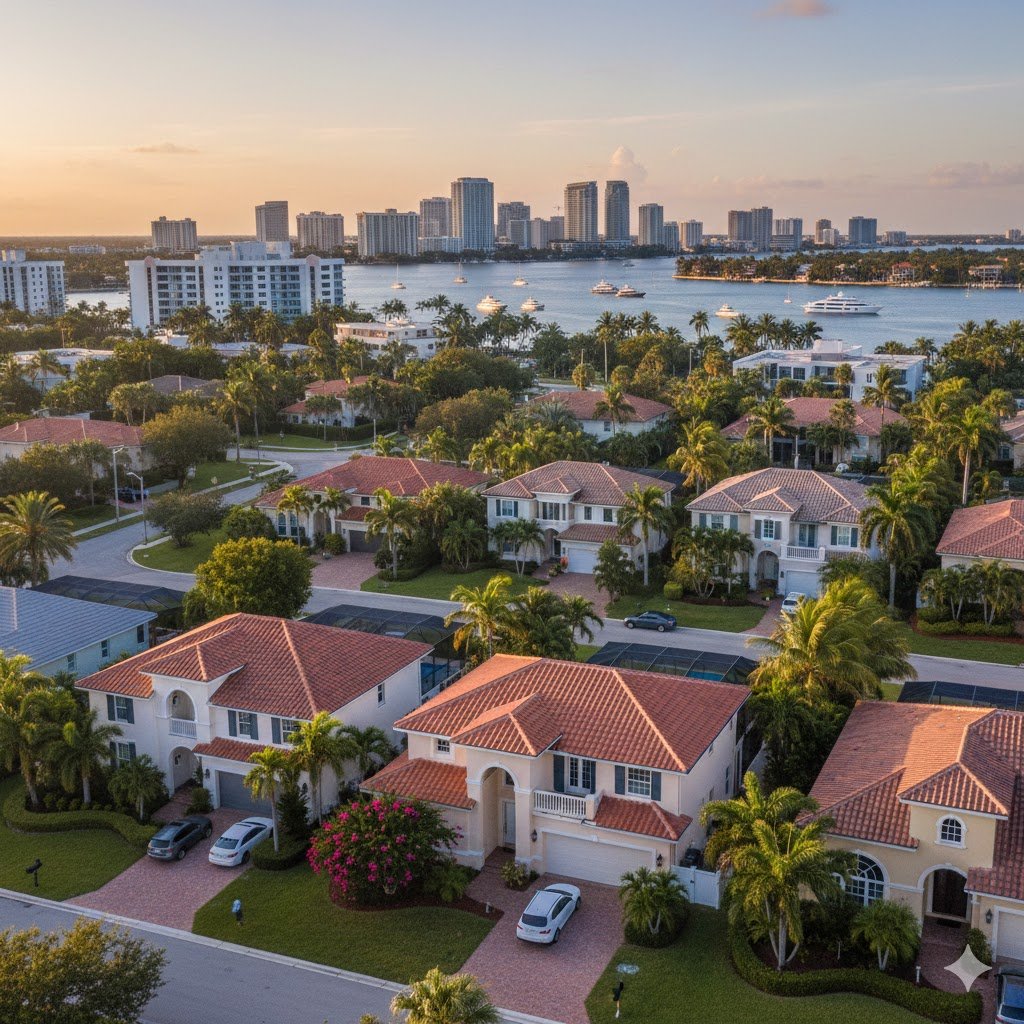
How Expensive Is It to Live in West Palm Beach?
A full cost breakdown for professionals, families, and luxury-curious buyers
Introduction
West Palm Beach has quietly shifted from a seasonal getaway into one of South Florida’s most strategic lifestyle and business hubs—and with that shift comes one unavoidable question: how expensive is it to live in West Palm Beach?
Executives relocating from high-tax states, families seeking coastal quality of life, retirees downsizing with intention, and luxury-curious buyers all run into the same problem: averages and headlines don’t tell the truth. The real cost of living in West Palm Beach Florida depends on how you live, where you live, and which costs you understand before committing.
This guide breaks it all down—housing, taxes, insurance, utilities, transportation, food, healthcare, childcare, lifestyle spending, and comparisons to nearby South Florida markets—so you can make a smart, numbers-first real estate decision.
Quick Answer for Busy Professionals
If you want the straight answer to how expensive is it to live in West Palm Beach, here it is:
West Palm Beach is expensive compared to the national average, but often more livable and predictable than Miami or Palm Beach—if housing is structured correctly.
Median home prices generally sit in the low-to-mid $400,000s, while average rents land in the low-to-mid $2,000s per month. What most people underestimate is the stacked cost effect: insurance, HOA fees, property taxes, utilities, and parking can shift monthly costs by thousands.
Understanding Cost of Living in Context
Cost-of-living calculators work fine in average cities. South Florida isn’t average. In West Palm Beach, costs jump in steps due to insurance volatility, HOA increases, special assessments, and year-round A/C usage.
Two households with similar incomes can experience wildly different financial realities based on housing structure alone.
Key insight: affordability here isn’t about groceries—it’s about exposure to volatility.
Housing Costs: The Real Price of Living in West Palm Beach
Renting in West Palm Beach
Average rent typically ranges from $2,000 to $2,500 per month. Downtown and newer buildings command premiums, while inland or older properties often fall lower.
Buying a Home in West Palm Beach
Median sale prices commonly land around $400,000–$440,000, but purchase price is only the beginning.
Hidden Ownership Costs Buyers Underestimate
- Property taxes in Palm Beach County
- Homeowners and flood insurance
- HOA or condo association fees
- Maintenance and reserve funding
Renting offers predictability. Buying offers upside—but only when the full cost stack is managed intelligently.
Neighborhood Cost Differences
Downtown West Palm Beach
Higher rents, walkability, Brightline access, and lifestyle spending creep.
SoSo (South of Southern)
Quiet residential luxury with higher home prices and strong long-term demand.
Northwood & Historic Districts
Lower entry points balanced by renovation and insurance considerations.
Inland Residential Areas
More space for the money, fewer lifestyle premiums, and greater car dependence.
Utilities & Home Operating Costs
Electricity is non-negotiable in South Florida. Older homes, poor insulation, west-facing windows, and aging HVAC systems can double monthly bills.
Always evaluate window exposure, HVAC age, roof condition, and insulation before committing.
Transportation Costs
West Palm Beach remains car-centric, with costs tied to insurance, fuel, tolls, and parking. Brightline rail has improved connectivity for professionals commuting south.
Hidden cost: time lost in traffic often leads to higher lifestyle spending.
Food, Dining, and Lifestyle Spending
Lifestyle is where budgets quietly explode. Dining out, fitness studios, waterfront restaurants, and events can easily become a second rent payment.
Expect the first year after relocating to be the most expensive socially.
Healthcare Costs
Healthcare costs vary more by plan design than location. The real question isn’t monthly premiums—it’s worst-case annual exposure.
Childcare, Education & Family Costs
Childcare, camps, sports, and school logistics are often the biggest surprise for relocating families. Optimizing location to reduce commute time can save thousands annually.
Taxes in West Palm Beach
Florida has no state income tax, which benefits high earners. Property taxes, sales tax, and insurance-driven costs still require careful planning.

West Palm Beach vs Nearby Markets
- Miami: Higher density and friction
- Boca Raton: Family-oriented lifestyle premium
- Delray Beach: Similar appeal, different neighborhood dynamics
- Fort Lauderdale: Comparable costs, different pace
Is West Palm Beach Worth the Cost of Living?
West Palm Beach is worth it if you value time, quality of life, and structured decision-making. It’s a tougher fit if you expect “cheap Florida” or overcommit to high fixed costs.
Quick Takeaways
- Housing structure matters more than income
- Renting offers predictability; buying offers upside with risk
- Neighborhood choice affects daily spending
- Fixed costs hurt more than lifestyle costs
- West Palm Beach rewards strategic planning
Frequently Asked Questions
How expensive is it to live in West Palm Beach?
Higher than the national average, mainly due to housing, insurance, and lifestyle costs.
What is the average cost of living per month?
Roughly $3,500–$5,000 for a single professional, higher for families.
Is West Palm Beach more affordable than Miami?
Often yes, especially when factoring in livability and commuting.
Want to Share Your Experience?
Thinking about moving—or already living here? What surprised you most about the cost of living in West Palm Beach?
Share this guide with someone comparing South Florida markets and leave your thoughts below.
References
- MIT Living Wage Calculator – Palm Beach County
- RentCafe – Average Rent in West Palm Beach
- BestPlaces – West Palm Beach Cost of Living
- Numbeo – Cost of Living in West Palm Beach
