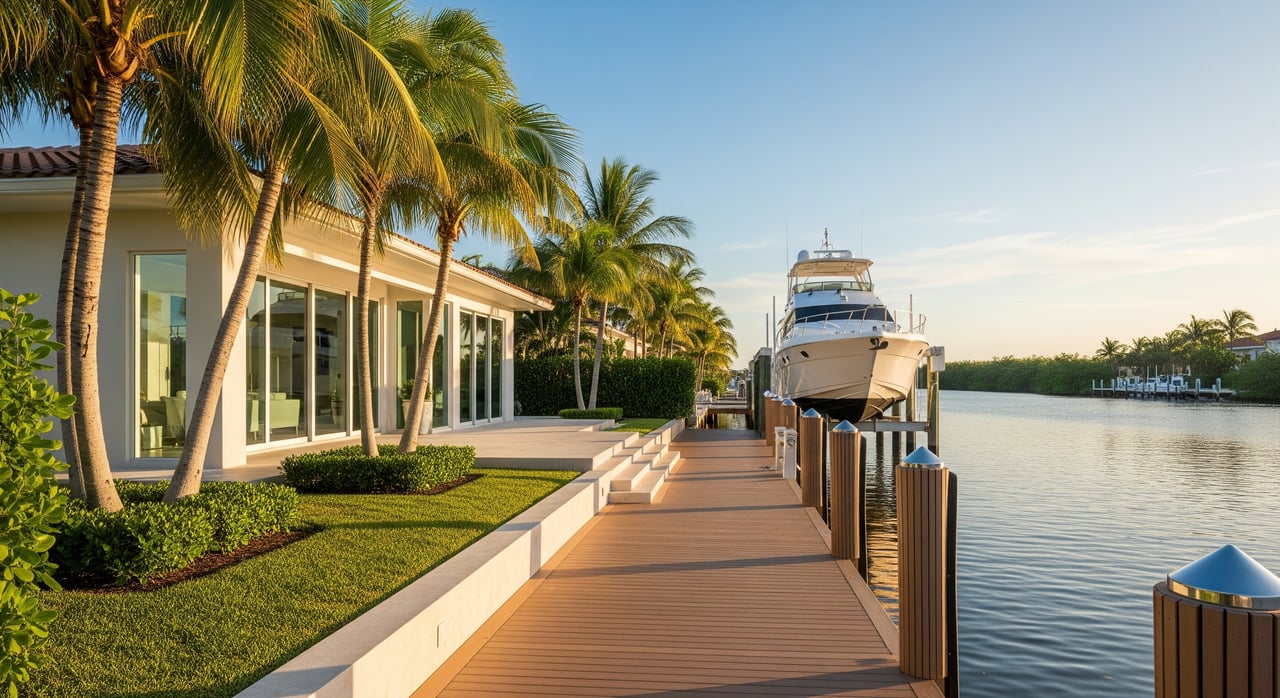
Imagine stepping off your patio, untying a line, and cruising to dinner by boat. If that sounds like your kind of South Florida day, Lighthouse Point belongs on your short list. This small, residential city offers a calm, boat‑first lifestyle with canals that connect to the Intracoastal Waterway. In this guide, you’ll learn how the canals work, what to look for in a waterfront home, and how to plan for permits, insurance, and inspections. Let’s dive in.
Why Lighthouse Point appeals to boaters
Quiet, residential, boat‑centric
Lighthouse Point sits between Pompano Beach and Fort Lauderdale, but it feels more residential than either. You see low‑rise streets, lots of single‑family homes, and a strong culture around private docks. Many owners keep center consoles, sportfishing boats, and yachts right at home.
ICW and ocean access
Most canal homes here open to the Intracoastal Waterway, which leads to the Atlantic through nearby inlets. Boaters often use Hillsboro Inlet to the north or the Port Everglades area to the south. The result is quick, practical access to offshore fishing, cruising, and waterfront dining.
Understand the canals and access
Depth and draft basics
Canal depths vary by street and by property. Past dredging and maintenance can affect usable draft, so never assume your boat will fit. Ask for recent depth soundings and consult a local marine surveyor or experienced mariner before you commit.
Bridges and speed zones
Bridge clearances and drawbridge schedules on nearby routes can influence your timing. Expect no‑wake rules in the canals and some ICW sections. Marine units enforce speed and safety, so plan routes with local bridge schedules and posted speed zones in mind.
Dock and lift essentials
A functional dock is more than a place to tie up. Consider dock length, finger piers, pilings, a lift with the right capacity, and shore power and water. Look at the slope of any gangway at low and high tide, and confirm the condition of all marine hardware.
Permits, rules, and environmental basics
Who handles permitting
Shoreline and dock work typically require permits. Expect to work with the City of Lighthouse Point for local building and zoning, Broward County for environmental and permitting reviews, and state agencies such as the Florida Department of Environmental Protection or the South Florida Water Management District. Some projects may also involve the U.S. Army Corps of Engineers. A qualified marine contractor can help you map out the steps.
Safety and wildlife protections
Florida boating rules apply, including equipment and licensing standards published by the Florida Fish and Wildlife Conservation Commission. Manatee protection zones and no‑discharge rules are enforced in sensitive areas. For navigation updates, rely on official NOAA charts and Local Notice to Mariners.
Waterfront home types and features
Single‑family focus
Waterfront living in Lighthouse Point is mostly single‑family homes. You will see mid‑century houses, renovated properties, and custom new builds. Condos with marina amenities are more common in neighboring cities than within Lighthouse Point itself.
Seawalls and shoreline improvements
Check who owns and maintains the seawall and any bulkhead. Ask for age, materials, and maintenance records. Shoreline improvements and setbacks can be subject to local ordinances or covenants, so verify any structures were permitted and inspected.
Elevation, flood, and wind protection
Look at finished floor elevation and whether the home includes flood vents or raised foundations. Impact windows and hurricane shutters are common features buyers seek. These items can affect insurance quotes and peace of mind.
What to expect when buying on the water
Inspections to budget
In addition to a standard home inspection, plan for a marine survey of the dock, lift, and seawall. Ask for written dredging or maintenance history, any depth soundings, and recent photos at different tides. A title review should confirm riparian rights, easements, and maintenance responsibilities.
Insurance and flood zones
Waterfront properties typically require careful review of flood zones. Check FEMA flood maps, obtain an elevation certificate, and get quotes for flood and windstorm coverage. Premiums vary by location, elevation, and insurer, so budget early and compare options.
Financing and association rules
Lenders may request extra documentation for waterfront homes, including seawall condition and flood coverage. If the property is in an association, confirm rules about boat size, dock use, and any rental policies. Local short‑term rental rules differ by municipality, so do not assume neighboring city rules apply.
Daily life on the water
Cruise, fish, and dine
Many residents use their boats for weekend sportfishing, quick ICW cruises, or a sunset lap before dinner. With inlets nearby, you can reach deeper water for offshore runs or stay inside the ICW for relaxed day trips.
Services and marinas nearby
While Lighthouse Point is primarily residential, you have easy access to fueling, repairs, and services in neighboring cities. Fort Lauderdale offers major yacht support and events, and Pompano Beach caters to anglers and divers. You can live in a quiet canal neighborhood while staying close to a large boating ecosystem.
Lighthouse Point vs. nearby coastal options
- Lighthouse Point: Primarily residential, lower density, strong private dock culture, and quieter evenings. Limited commercial waterfront development within city limits.
- Fort Lauderdale: Extensive marinas and commercial yachting infrastructure with more boat traffic and nightlife.
- Pompano Beach: Active fishing and charter scene, growing marina investments, and beach events.
- Deerfield Beach: A traditional beach‑town experience focused on the pier and family recreation, with boating options available nearby.
Buyer checklist for canal homes
- Verify dock specs, including length, pilings, lift capacity, and shore power and water.
- Request recent depth soundings and any dredging or maintenance records.
- Obtain a current boundary survey and an elevation certificate.
- Check FEMA flood maps and secure insurance quotes for flood and wind coverage.
- Review title and any HOA documents for riparian rights and maintenance obligations.
- Confirm permits for all shoreline and dock improvements.
- Ask for photos and condition reports for the seawall and dock at different tides.
- Speak with a local marine contractor or marina manager about neighborhood nuances.
How The Madriz Team helps you
You deserve a clear, confident path to waterfront ownership. Our boutique, high‑touch approach pairs neighborhood expertise with national‑level marketing and smooth digital workflows. We help you identify canal depth and dock features, coordinate the right inspections, and connect you with trusted local pros for surveys, insurance quotes, and permits. Whether you are buying, selling, or planning a second home, our bilingual team makes the process seamless and tailored to your goals.
Ready to explore canal‑front homes in Lighthouse Point? Reach out to The Madriz Team for a personalized plan and private tour options.
FAQs
Can I keep my boat at my Lighthouse Point home?
- Often yes if the property has an adequate private dock and local rules allow it. Verify dock length, depth, and any association restrictions before you buy.
How close are Lighthouse Point canals to the ocean?
- Canals connect to the Intracoastal Waterway, with access to nearby inlets such as Hillsboro Inlet to the north and the Port Everglades area to the south. Actual timing depends on your location and bridge schedules.
What flood and hurricane risks should I plan for?
- Waterfront homes carry higher exposure. Check FEMA flood zones, obtain an elevation certificate, and secure quotes for flood and windstorm coverage early in your search.
Who maintains the seawall and dock at a canal home?
- Responsibility depends on the deed and any association documents. Confirm ownership, maintenance obligations, and permit history during due diligence.
Are short‑term rentals allowed in Lighthouse Point?
- Rules vary by municipality and community. Review the city code and any HOA policies to confirm what is permitted for a specific address.
Do I need permits to repair or replace a dock or lift?
- Yes, most shoreline work requires permits. Expect to work with the city, county, and state agencies, and sometimes the U.S. Army Corps of Engineers depending on the scope.
