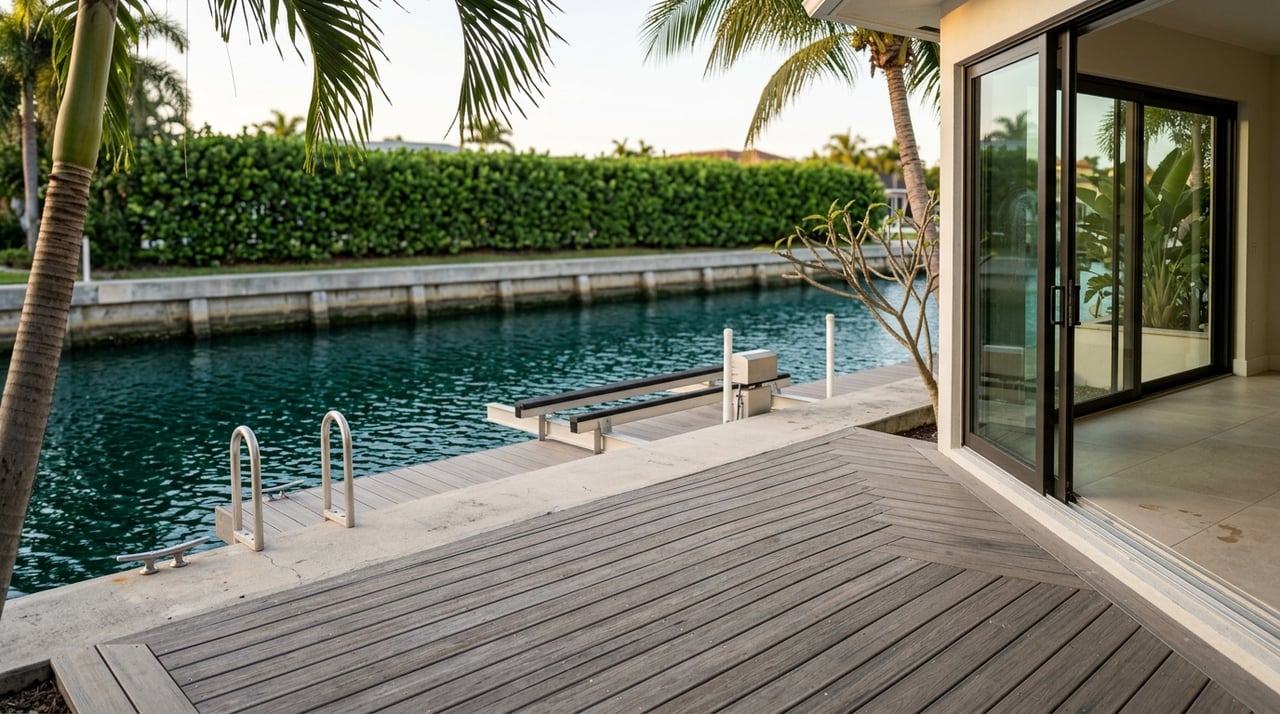
Waterfront in Lighthouse Point is not a one-size-fits-all category. Two homes can both sit on the water and still command very different prices based on boat access, lot shape, exposure, permits, and risk factors. If you are buying, selling, or valuing a waterfront property here, understanding what truly drives value can help you make smarter decisions and avoid costly assumptions. Let’s dive in.
Why Lighthouse Point Waterfront Stands Apart
Lighthouse Point is a small, water-oriented city in Broward County where roughly 80% of residences are single-family homes, and many are set along 18 miles of waterways. The city’s east side opens to the Intracoastal Waterway near Hillsboro Lighthouse, which helps explain why waterfront living is such a defining part of the local market.
That setting creates a distinct waterfront micro-market. Current market snapshots show waterfront homes for sale in Lighthouse Point with a median listing price around $999,000, while the broader city median sale price over the last three months through May 2026 was about $974,417. The takeaway is simple: being on the water matters, but the biggest pricing differences usually come from the type of water access a property offers.
Water Access Drives Premiums
In Lighthouse Point, boating utility is often the clearest value driver. Listings repeatedly highlight features like no fixed bridges, ocean access, deep-water frontage, and short boat rides to Hillsboro Inlet because those details directly affect how you can use the property.
For many buyers, especially boat owners, the question is not just whether a home has a dock. The real question is whether the dock supports the kind of boating lifestyle they want. A home with easier ocean access and fewer route restrictions will often appeal to a wider pool of waterfront buyers.
No Fixed Bridges Matter
No fixed bridges is one of the most common phrases in premium waterfront listings for a reason. If your route to open water includes low-clearance bridges, your boat size and travel flexibility may be limited.
NOAA notes that the A1A bridge over Hillsboro Inlet has a closed vertical clearance of 13 feet. That means two homes that seem similar on a map may function very differently in real life if one offers a more open route to the inlet and the other does not.
Deep Water and Canal Width Add Utility
Canal depth and width also influence value. Listings in Lighthouse Point often call out wide canals, deep-water frontage, and frontage ranges like 81 to 120 feet or 121 feet and up. These details can affect docking ease, turning radius, and the type of vessel a property can reasonably support.
In other words, water frontage is not just about length. The width of the canal and the overall boat-friendliness of the waterway can make a meaningful difference in buyer demand.
Shorter Ocean Access Supports Value
Properties marketed as one canal from the Intracoastal or about an 8-minute ride to Hillsboro Inlet often carry stronger appeal. That shorter path to open water saves time and reduces hassle, which can matter a lot to frequent boaters.
This lifestyle focus also shows up in city amenities. Lighthouse Point notes that residents can board the Water Taxi at Nauti Dawg on Marina Circle, and the route spans more than 25 miles with more than 30 stops. While that does not determine home values on its own, it reinforces how waterfront access shapes the area’s appeal.
Lot Orientation Changes the Experience
Not all waterfront lots feel the same once you live in them. In Lighthouse Point, listings regularly emphasize rear southern exposure, south-facing water, southeast-facing point lots, and long water views because these features affect sunlight, privacy, and the overall feel of the property.
A home with strong natural light and a long, open view corridor may command more attention than a similar home with a tighter or less favorable orientation. That is why orientation often becomes part of the premium, especially in the upper end of the market.
Southern and Southeast Exposure
Recent listings specifically call out rear southern exposure and southeast-facing point lots. Buyers often respond to these details because they can shape how outdoor spaces feel throughout the day, from pool decks to patios to dock areas.
When you evaluate a home, it helps to look beyond square footage and finishes. Sunlight, breeze, and the angle of the lot can influence everyday enjoyment just as much as interior upgrades.
Point Lots and Long Views
Point lots and broader water views tend to stand out. Listings referencing the South Grand Canal, Lake Placid, and Intracoastal-front locations suggest that buyers are pricing specific view corridors and water settings differently rather than treating all waterfront addresses the same.
That is an important distinction for both buyers and sellers. Micro-location within Lighthouse Point can have a major impact on perceived prestige and market value.
Micro-Location Within Lighthouse Point
Waterfront value in Lighthouse Point is highly local. A home on one canal segment may compete very differently than a home on another, even if they are close in size and finish level.
Listings that mention the South Grand Canal, Lake Placid, or direct Intracoastal positioning show how specific buyers can be. The exact street, canal placement, and proximity to major water routes can influence both demand and pricing.
For sellers, this means your most relevant competition may be narrower than you think. For buyers, it means broad average prices only tell part of the story.
Condition and Updates Still Matter
Even in a location-driven waterfront market, property condition can widen the gap between two similar homes. Newer construction, updated systems, and recently improved waterfront features often support stronger pricing because they can reduce near-term maintenance and capital costs.
Current examples in Lighthouse Point listings highlight features like new docks, newer generators, updated A/C systems, impact glass, new roofs, and updated plumbing and electrical systems. Buyers tend to view those upgrades as part of the property’s value story, not just cosmetic improvements.
Docks and Seawalls Are Key Improvements
On a waterfront property, upgrades below the headline can matter just as much as a renovated kitchen. A newer dock or documented seawall work may be a major plus because these are functional waterfront components that affect usability and future cost exposure.
When those improvements are recent and well documented, they can help support buyer confidence. That can be especially important in a market where serious buyers often compare boating function property by property.
Permits and Public Records Support Value
In Lighthouse Point, the paper trail matters. The city states that work involving docks, seawalls, patios, additions, fences, generators, and similar items often requires permits, and dock-related work may also require DEP approval, signed and sealed drawings for new docks, and survey documentation.
That makes permits more than a technicality. For waterfront homes, documented improvements can help validate the condition, scope, and legitimacy of work that materially affects value.
Why Permit History Matters
If a home advertises a newer dock, seawall work, or major system upgrades, buyers will often want to see whether those improvements are reflected in permits and records. A cleaner record trail can make due diligence smoother and reduce uncertainty.
Broward County Property Appraiser offers property search tools, sales search, maps and aerials, and market reports that can help support property research. The city also says elevation certificates are available upon request, which can be useful for waterfront due diligence.
Risk and Carrying Costs Influence Pricing
Waterfront value is not only about views and boating. In Lighthouse Point, buyers also weigh flood exposure, storm planning, and ongoing ownership costs.
The city’s flood information states that Lighthouse Point is flood-prone and encourages flood insurance. The city also notes that it is in a mandatory evacuation area for Category 3 and above storms. These realities do not erase waterfront demand, but they do shape how informed buyers evaluate value.
Questions Buyers Should Ask
Before you buy or price a waterfront home in Lighthouse Point, it helps to focus on the questions that most often affect value:
- How wide is the canal?
- How boat-friendly is the water in practice?
- Are there fixed bridges or low-clearance routes?
- Is there deep-water frontage?
- Is the dock and seawall permitted?
- Does the lot have point-lot positioning or southern/southeast exposure?
- Are renovations supported by permits and public records?
- Are flood and evacuation factors part of the ownership picture?
These questions can reveal why one waterfront home commands a premium over another that may look similar at first glance.
What Sellers Can Take From This
If you are selling a waterfront home in Lighthouse Point, your value story should go beyond the phrase “waterfront.” Buyers are often willing to pay more when they clearly understand the property’s boating utility, lot orientation, view corridor, and documented improvements.
That means the strongest presentation usually highlights measurable details. Waterfront footage, canal characteristics, route to open water, bridge constraints, dock status, seawall updates, and permit-backed improvements all help tell a more persuasive story.
What Buyers Should Focus On
If you are buying, it helps to compare homes based on function, not just photos or list price. A home with slightly less interior flash may still be the better long-term fit if it offers better canal access, fewer bridge issues, stronger orientation, or more complete records.
The best waterfront purchase is often the one that matches how you actually plan to use the property. In Lighthouse Point, that practical lens can make all the difference.
When you want a clear, data-backed read on what a specific waterfront home is really worth, working with a team that understands Broward’s coastal micro-markets can give you an edge. For tailored guidance on buying, selling, or valuing a Lighthouse Point waterfront property, connect with The Madriz Team.
FAQs
What adds the most value to a Lighthouse Point waterfront home?
- The biggest drivers are usually boating utility, including no fixed bridges, deep-water frontage, canal width, and short access to the Intracoastal or Hillsboro Inlet.
Why do fixed bridges affect Lighthouse Point home values?
- Fixed bridges can limit boat height and route flexibility, which may reduce the property’s appeal for buyers who want easier ocean access.
Do lot orientation and views matter for Lighthouse Point waterfront homes?
- Yes. Listings often highlight southern or southeast exposure, point-lot positioning, and long water views because they can improve light, outdoor enjoyment, and buyer appeal.
How important are permits for Lighthouse Point dock and seawall work?
- They are very important because the city says docks, seawalls, and similar improvements often require permits, and documented work can support value and smoother due diligence.
Is flood risk part of valuing a Lighthouse Point waterfront property?
- Yes. The city says Lighthouse Point is flood-prone and encourages flood insurance, so buyers often consider flood exposure and storm-related carrying costs when evaluating value.
Are all Lighthouse Point waterfront locations valued the same?
- No. Buyers often price specific canal segments, point lots, and areas like the South Grand Canal, Lake Placid, and Intracoastal-front locations differently.
