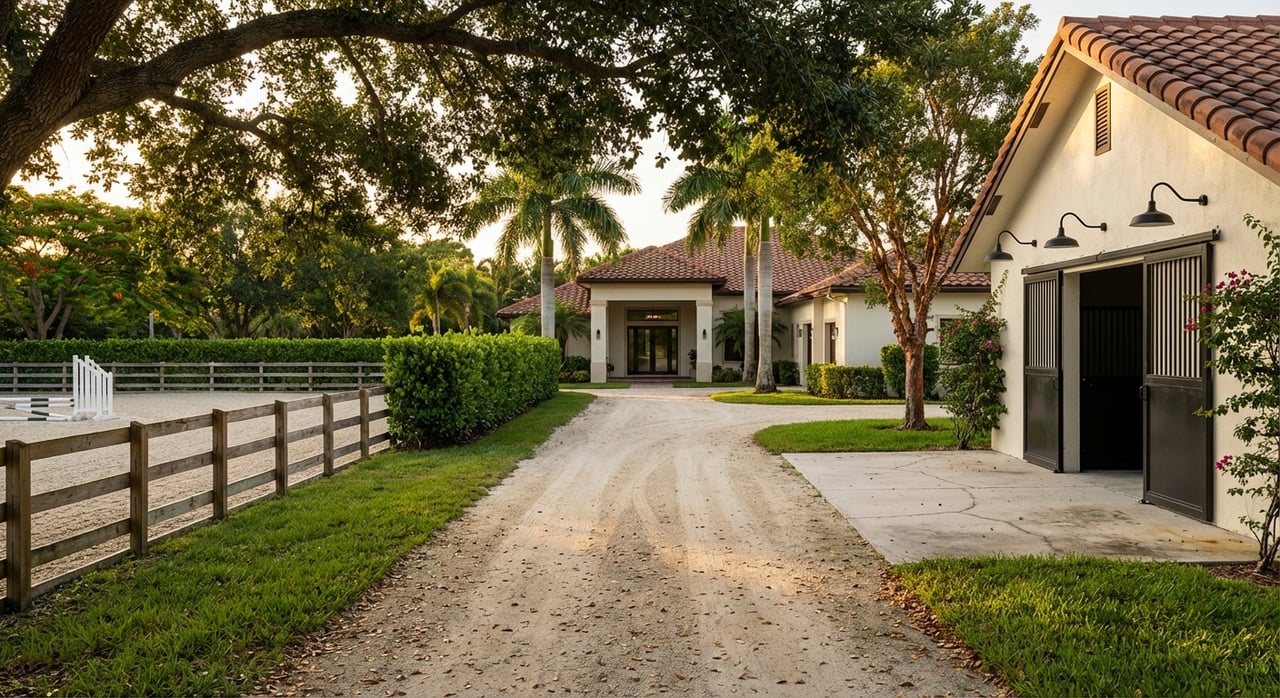
If you crave space, privacy, and a quieter pace without giving up South Florida convenience, Southwest Ranches delivers a rare mix. Here, acreage is the norm, equestrian life feels natural, and the skyline of Fort Lauderdale is still within easy reach. In this guide, you’ll learn how estate living works in the Ranches, what drives property value, and the practical details to plan for, from utilities to permits and insurance. Let’s dive in.
Why Southwest Ranches stands out
Rural lifestyle by design
Southwest Ranches was created to preserve a rural way of life. The town highlights open agricultural and equestrian uses, limited suburban infill, and a low-density framework that keeps parcels large and streetscapes open. According to the town’s overview, you can expect few sidewalks or street lamps, generous setbacks, and zoning that supports equestrian activity and agricultural uses as part of daily life. Learn more from the town’s own summary of its mission to preserve a rural lifestyle on the official site.
- Explore the town’s identity and land-use focus on the Southwest Ranches site: About Southwest Ranches
Estate scale close to the city
You get a true country feel while staying connected to Broward’s major corridors. Many residents choose the Ranches for the privacy of 1 to 5 acre parcels, mature trees, and long driveways, while still having straightforward access to routes like I‑75 and I‑595 for easy trips to Fort Lauderdale, Miami, and the airport. That blend of space and access is a big part of the area’s appeal.
Estate and equestrian living: what to expect
Property types and features you’ll see
The most common listings are single-family estate homes on 1+ acre lots, custom ranch properties with barns and paddocks, and the occasional larger holding with 10 or more acres. Many properties include barns with stalls, tack rooms, wash racks, riding arenas, and hay or equipment storage. Long, gated drives and privacy fencing are typical, and thoughtful drainage and pasture planning often set the best properties apart.
Parks, trails, and equestrian amenities
Equestrian life is built into the community experience. You will find a network of horse-friendly features and local parks that support riding and outdoor activities. Sunshine Ranches Equestrian Park is a well-known anchor where riders, walkers, and families enjoy open space and trail connections. For a flavor of what locals do on weekends, see this overview that includes the park among the best things to do in town: Sunshine Ranches Equestrian Park and more.
Small-scale boarding or training
If you want to keep horses at home or explore small-scale boarding or training, the town’s code framework is designed with equestrian uses in mind. Commercial intensity, however, can trigger special reviews, permits, or additional septic and building requirements. The town adopted a 2006 ordinance clarifying how commercial equestrian operations fit within agricultural and rural zoning. Review that context here: Ordinance No. 2006‑15 summary.
Market context and pricing
Estate and equestrian inventory in Southwest Ranches is relatively limited compared with typical suburban neighborhoods, and many active listings are in the multimillion-dollar tier. Published market pages often show a wide spread: entry-level estate homes may begin around the low to mid $1 million range, while well-improved ranch properties commonly trade higher, and bespoke compounds can reach well above that depending on acreage and improvements. Expect the upper quartile to drive headline figures in any given month.
What drives price differences
- Lot size and usable acreage.
- Quality and scale of equestrian improvements, including barns, arenas, and paddocks.
- Privacy features such as tree buffers, gates, and distance to neighbors.
- Utilities, including whether the property uses private well and septic or has connections where available.
- Flood zone and elevation, which influence insurance costs and lender requirements.
- Proximity to commuting routes like I‑75 and I‑595.
Practical must-knows for buyers
Utilities: wells and septic
Many properties in Southwest Ranches rely on private wells and individual septic systems rather than a single town-wide water and sewer network. State legislative materials and lender guidance note this reality across the area, which affects inspections, financing, and ongoing maintenance. Buyers should verify each parcel’s actual setup during due diligence and plan for water testing and septic inspections. See legislative context on the prevalence of well and septic in the Ranches here: Florida HB 1215 background.
What to plan for:
- Well potability testing and confirmation of separation distances from septic components.
- Septic inspections, pumping records, and capacity review before adding living units or converting space.
- Site planning for arenas, wash racks, and pasture irrigation around septic fields.
Equestrian upkeep and environmental best practices
Operating a quality private barn or small boarding setup requires a budget for feed, bedding, labor, farrier and vet care, fence repair, and arena footing maintenance. Industry guidance points to labor and hay as major recurring costs that grow with scale. For a clear view of cost drivers and planning, see this overview of the business of boarding: Balancing passion and profit.
Responsible manure and nutrient management also matters, especially in South Florida’s rainy season. UF/IFAS recommends composting and other best practices to protect water quality and minimize odor or pest issues. When touring properties, look for thoughtful manure storage, proper setbacks from wells and water bodies, and drainage that handles seasonal storms. Learn more from UF/IFAS: Manure composting for small horse farms.
Flood, storms, and insurance
Flood zones and elevation are important to verify. The town provides guidance, FEMA flood map resources, and encourages elevation certificates where relevant. These factors influence flood insurance premiums and whether a lender will require coverage. Start with the town’s flood information hub: Flood insurance and mapping resources.
Across Florida, homeowners insurance has trended higher than the national average, and premiums vary by location, elevation, and insurer availability. It is smart to request quotes for homeowners, wind, and any needed flood coverage early in your due diligence. Here is a helpful overview of statewide cost trends: Florida homeowners pay nearly 3x the national average.
Permits and building standards
Major improvements such as barns, arenas, accessory structures, and significant grading typically require permits and inspections. The town maintains engineering and permit checklists that outline submittals for residential projects, so always confirm that existing structures were permitted and inspected before closing. For a reference example, review the town’s engineering permit checklist: Permit application checklist.
New construction and major remodels in Florida must meet statewide wind and flood provisions. That can affect window and door selections, roofing, and structural framing. Your lender and insurer may ask for proof of code-compliant updates or certificates during underwriting and policy binding.
Taxes, agricultural classification, and financing
Florida’s agricultural classification, often called Greenbelt, can materially lower land assessments for bona fide commercial agricultural uses. In Broward County, horses are treated as livestock and certain operations, such as boarding or training, may qualify when they meet commercial-use evidence standards. Buyers and owners should review the county’s guidance and deadlines: Broward County agricultural classification.
Financing rural and equestrian properties is very doable, including homes on private well and septic, but lenders may require extra inspections and documentation. Expect requests for well potability tests, septic reports, and sometimes site plans that verify ingress and egress for trucks or trailers. FHA and conventional underwriting often reference minimum separations and water quality standards. For a practical look at lender expectations, see this FHA guideline reference: Wholesale FHA guidelines overview.
Buyer due diligence checklist
Use this list to stay organized as you evaluate properties:
- Confirm zoning and permitted uses for the specific parcel, especially if you plan any boarding, training, or new structures.
- Verify water and sewer status, then order a well potability test and a septic inspection with pumping records.
- Review permits and as-built plans for barns, arenas, and accessory buildings. Ask about drainage design, footing construction, and manure storage.
- Pull FEMA flood maps for the parcel and request any available elevation certificates. Confirm whether your lender will require flood insurance.
- Request insurance quotes for homeowners, wind, flood, and, if applicable, equine liability.
- Check whether the land carries an agricultural classification, understand documentation requirements, and consider how that affects taxes, appraisal comparables, and financing.
- Discuss underwriting early with your lender, including parcel size, agricultural status, and any commercial equestrian activity.
Southwest Ranches vs coastal luxury
Coastal luxury in South Florida often centers on waterfront access, dockage, and views. Southwest Ranches focuses on land, privacy, and equestrian use. A 2 to 3 acre ranch property offers more outdoor space than most coastal parcels, which attracts buyers who want room for stables, gardens, or guest structures. Maintenance categories differ too. In the Ranches, budgets tilt toward barns, fencing, pastures, and arena footing, while coastal homes may require dock, seawall, and boat-related upkeep. Both lifestyles are premium, just in different ways.
When you want the calm of open land with fast access to the city and airports, Southwest Ranches stands out as a purpose-built choice. If that balance fits your goals, our team is ready to help you evaluate options on and off market, model operating costs, and plan improvements that match your vision.
Ready to explore estate living with a trusted local advisor? Connect with The Madriz Team for a tailored search, data-informed pricing, and bilingual guidance from first tour to close.
FAQs
What is unique about estate living in Southwest Ranches?
- The town is intentionally rural with low-density zoning, large parcels, and equestrian-friendly policies, which creates a quiet estate environment close to urban amenities.
Can I keep horses or run a small boarding operation on my property?
- Many parcels allow horses. Small boarding or training can be possible, but commercial intensity may trigger permits or reviews. Verify zoning and septic capacity before you invest.
Do most properties have well and septic systems in Southwest Ranches?
- Yes, many homes use private wells and individual septic systems. Plan for potability testing, septic inspections, and ongoing maintenance in your operating budget.
How do flood zones affect buying in Southwest Ranches?
- Flood zone status and building elevation influence insurance costs and lender requirements. Pull FEMA maps for each parcel and request elevation certificates when relevant.
What drives price differences between properties?
- Usable acreage, quality of equestrian improvements, privacy features, utilities, elevation, and access to major routes are the main factors that shift value.
Can agricultural classification lower my taxes on a horse property?
- Possibly. Bona fide commercial agricultural uses can qualify for a preferential assessment. Check county guidance and documentation requirements before applying.
How should I budget for an equestrian property?
- Expect ongoing expenses for feed, bedding, labor, farrier and vet care, fence and arena upkeep, plus well and septic maintenance. Costs scale with the size of your operation.
